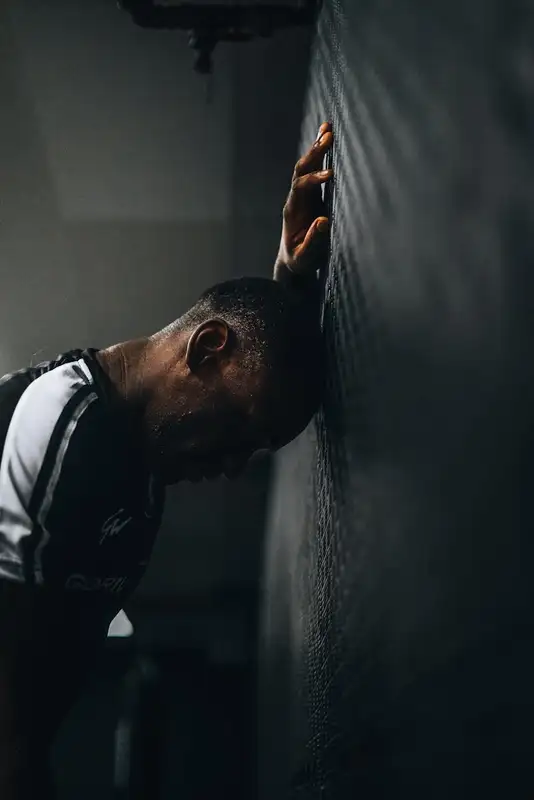
In recent years, numerous athletes have openly discussed how mental health challenges have impacted their careers. For some, these issues lead to temporary declines in performance, while for others, they can be career-ending. A notable example is cricketer Marcus Trescothick, who retired from international cricket due to depression.
Researchers from Loughborough University and the Open University in the UK have delved into cases like Trescothick’s to explore the connection between mental health and elite sports performance. Their study reviewed twelve cases across eight different sports, examining the effects of depression, low self-esteem, stress, and feelings of failure. The aim is to provide support and guidance to future athletes facing similar challenges.
Dr. David Fletcher from Loughborough University highlighted the significance of understanding the triggers of depression in sports. He stated, “We anticipate that this research will inform those involved with elite athletes about the role sport may play in relation to depression, particularly pre-cursors or warning signs such as an overly self-critical nature, perfectionism, and fear of failure.”
Dr. Fletcher further noted that a deeper understanding of depression in sports would enable coaches and practitioners to better identify, monitor, and manage such episodes.
The study included sports figures like Andre Agassi (tennis), Ricky Hatton (boxing), Serena Williams (tennis), and Johnny Wilkinson (rugby). The researchers utilized autobiographies written by these athletes as source material. For instance, Agassi candidly expressed his disdain for tennis, despite his success and earnings: “I hate tennis… Hate it with a dark and secret passion,” he revealed in his autobiography.
Addressing Mental Health Stigma
One of the hurdles in addressing mental health in sports is the societal stigma surrounding mental illness. Athletes often find it easier to discuss physical injuries than psychological issues, according to the researchers.
To assist the next generation, the study focuses on identifying triggers for mental health problems, which are often external stressors. For example, Serena Williams has spoken about the “agony and anguish” she experienced after the tragic loss of her sister Tunde in a shooting.
The findings of this research have been published in the journal Frontiers in Psychology under the title “The dark side of top level sport: an autobiographic study of depressive experiences in elite sport performers.”