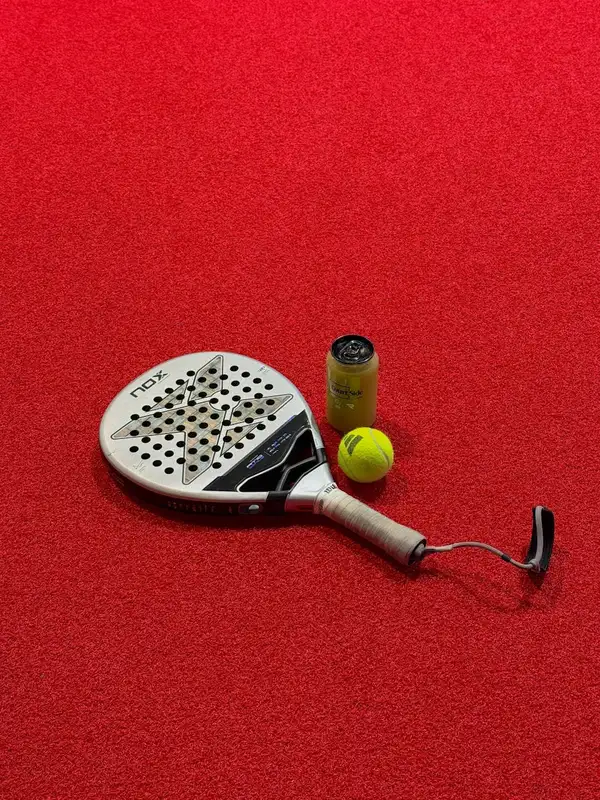
Mikkel Kaae Jacobsen was astonished when a friend, who plays paddle sports, mentioned the necessity of replacing rackets every six months. This frequent turnover of equipment was unexpected for Mikkel, a tennis enthusiast who typically uses the same racket for several years.
“If a racket gets damaged, you have to throw the whole thing away. It’s a disaster from an environmental perspective, but it works well for companies that sell padel rackets,” explains Mikkel Kaae Jacobsen. He shares this insight from his workspace at DTU’s innovation hub, Skylab, where he is surrounded by an array of padel rackets.
Traditional padel rackets are crafted by hand using carbon and glass fiber, materials that not only pose health risks during production but are also difficult to recycle. Moreover, the manufacturing process is inefficient, with a considerable amount of material wasted, and it can take up to 12 hours to produce a single racket.