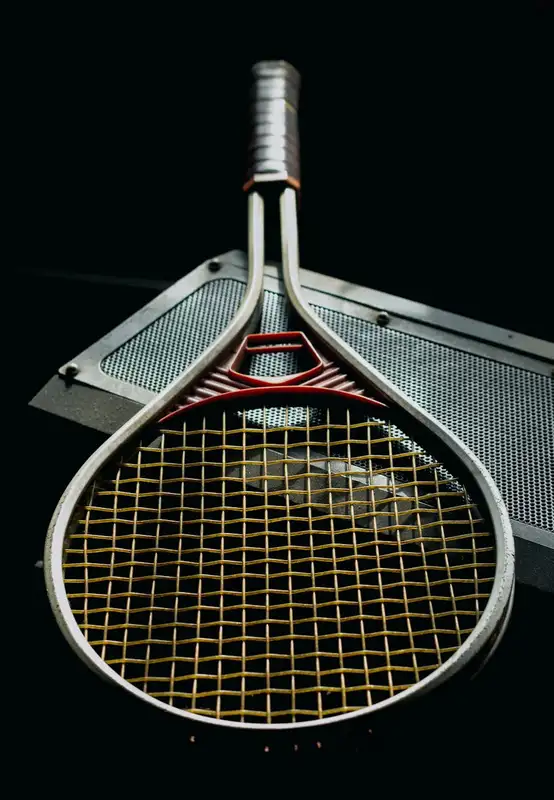
The evolution of tennis racquets has been remarkable, transitioning from classic wooden frames to cutting-edge designs crafted from advanced materials. This dynamic market caters to a wide range of players, from novices to seasoned professionals. Leading brands like Wilson, Babolat, Head, and Yonex are at the forefront, constantly innovating to enhance racquet performance through dedicated research and development.
Today’s market offers a diverse selection of racquets tailored to various playing styles. Differences in weight, head size, string pattern, and grip size contribute to the adaptability of these racquets. Technological advancements, such as carbon fiber construction and vibration dampening systems, have significantly improved power, control, and comfort. Major tennis tournaments, including Grand Slam events like Wimbledon and the US Open, serve as platforms to showcase the latest in racquet technology, as professionals seek equipment that complements their unique playing styles.
The growing popularity of tennis as a recreational activity has also spurred demand for high-quality, user-friendly racquets globally. The global tennis racquets market is a blend of tradition and innovation, with manufacturers continually pushing the envelope to meet the diverse needs of tennis enthusiasts worldwide.
Key Market Trends
Customization and Personalization
A significant trend in the tennis racquets market is the rising demand for customization and personalization. Players, whether amateur or professional, are looking for equipment that perfectly aligns with their playing style, preferences, and physical characteristics. Manufacturers are responding by offering customizable features, enabling players to tailor their racquets to specific needs.
Customization options include adjustable string tensions, interchangeable grommet systems, and the ability to modify grip sizes. Some brands even offer online tools or in-store experiences to guide players through the customization process. This trend reflects a shift towards more individualized and player-centric approaches, recognizing that each player has a unique playing style and feel for their equipment.
Integration of Smart Technology
The integration of smart technology into tennis racquets is a growing trend that aligns with the broader wave of technological advancements in sports. Smart racquets are equipped with sensors that capture data on various aspects of a player’s performance, such as swing speed, ball impact location, and the number of shots played. This data is then transmitted to accompanying mobile apps or devices for analysis.
This trend not only appeals to tech-savvy players but also serves as a valuable tool for improving performance. The collected data provides insights into playing patterns, strengths, and areas for improvement. It also aids in injury prevention by monitoring player exertion and fatigue. As the Internet of Things (IoT) continues to expand, the integration of smart technology into tennis racquets is expected to become more sophisticated, enhancing the overall playing experience for users.
Focus on Sustainable Materials and Manufacturing
In response to growing environmental awareness, there is a notable trend in the tennis industry towards using sustainable materials and adopting eco-friendly manufacturing practices. Manufacturers are exploring alternatives to traditional materials, such as incorporating recycled plastics, responsibly sourced wood, and other environmentally friendly components in the production of tennis racquets.
This trend aligns with the broader movement towards sustainability in consumer goods. Players are increasingly valuing products that minimize their ecological footprint. Manufacturers are responding by not only making changes in the materials they use but also by adopting more sustainable manufacturing processes, reducing waste, and exploring options for product recycling.
Segmental Insights
Growth of Control Racquets
The control racquets segment is experiencing significant growth in the global tennis racquets market. As both amateur and professional players increasingly prioritize precision and accuracy, the demand for racquets that enhance control has surged. These racquets feature tighter string patterns, smaller head sizes, and heavier weights, providing players with improved command over ball placement and shot accuracy.
Amateur Segment Growth
The amateur segment is witnessing substantial growth in the global tennis racquets market. As more individuals take up tennis as a leisure activity or for fitness, the demand for racquets designed for amateur players has increased. Manufacturers are developing racquets that provide a balance of power, forgiveness, and ease of use, which are essential for players still refining their skills.
Dominance of North America
North America stands as the dominant region in the global tennis racquets market. The region has a robust tennis culture, with a large and active player base contributing to consistently high demand for tennis racquets. High-profile tournaments like the US Open enhance interest in the sport, further bolstering market demand.